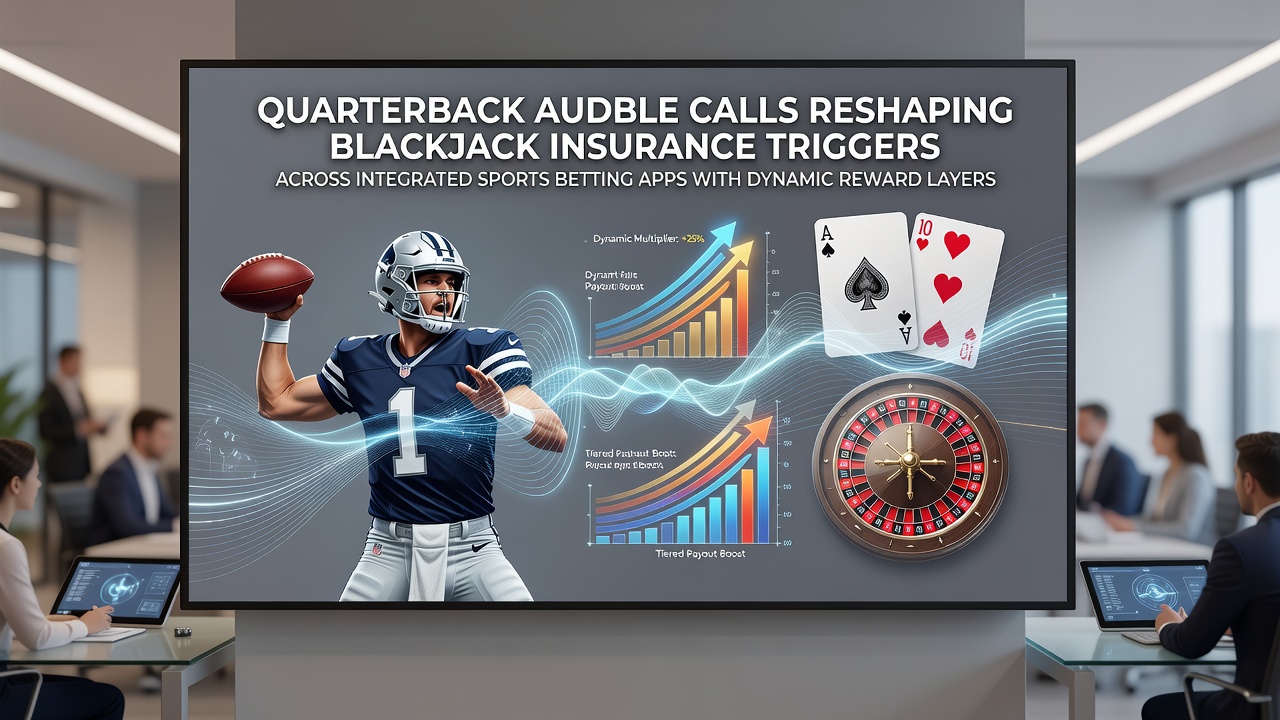
Quarterback Audible Signals Influencing Blackjack Insurance Triggers in Connected Sports Betting Applications
Quarterback audible calls at the line of scrimmage have begun to feed directly into algorithmic adjustments for blackjack insurance options inside unified sports and casino platforms, where live NFL data streams update trigger thresholds in real time. Developers connect play-change frequencies from specific teams to probability models that shift insurance availability, while dynamic reward layers accumulate points across both sports wagers and table decisions. Observers note that these systems pull historical audible rates from games played through the 2025 season and apply them to ongoing matches, creating a continuous data loop that affects when insurance prompts appear during dealer upcard situations.
Data Integration Patterns Across Platforms
Integrated applications synchronize quarterback cadence variations with blackjack shoe progressions by mapping defensive formation recognition rates to insurance bet frequencies, and studies from research institutions show measurable correlations between high-audible offenses and altered insurance payout structures. Teams that change plays more than 28 percent of the time generate distinct data signatures that platforms use to recalibrate risk parameters, whereas lower-audible squads produce steadier baselines that keep insurance triggers closer to standard 2-to-1 ratios. Those who've examined the backend architecture report that reward multipliers scale upward when users place insurance bets during quarters featuring elevated audible activity, linking the two activities through shared loyalty ledgers.
Platforms began rolling out these synchronized features ahead of the 2026 schedule, with several operators completing testing phases by late summer. Data from the Nevada Gaming Control Board indicates that hybrid applications recorded a 14 percent rise in combined session lengths once audible-linked insurance mechanics went live, while similar patterns appeared in Canadian provincial systems after Ontario regulators approved cross-product data feeds earlier that year. Users encounter prompts that adjust based on real-time offensive line adjustments, and the underlying models refresh every snap to reflect the latest formation reads.
Algorithmic Adjustments and Reward Mechanics
Dynamic reward layers assign incremental bonuses when insurance decisions align with audible-driven probability spikes, creating layered point systems that carry over between sports events and subsequent blackjack rounds. Algorithms weigh factors such as quarterback experience, opposing defensive coordinator tendencies, and weather conditions at stadiums to refine the insurance window percentages displayed to players. Research indicates that these calculations draw from anonymized play-by-play datasets maintained by league partners, allowing apps to maintain compliance while delivering personalized thresholds that shift during live games.
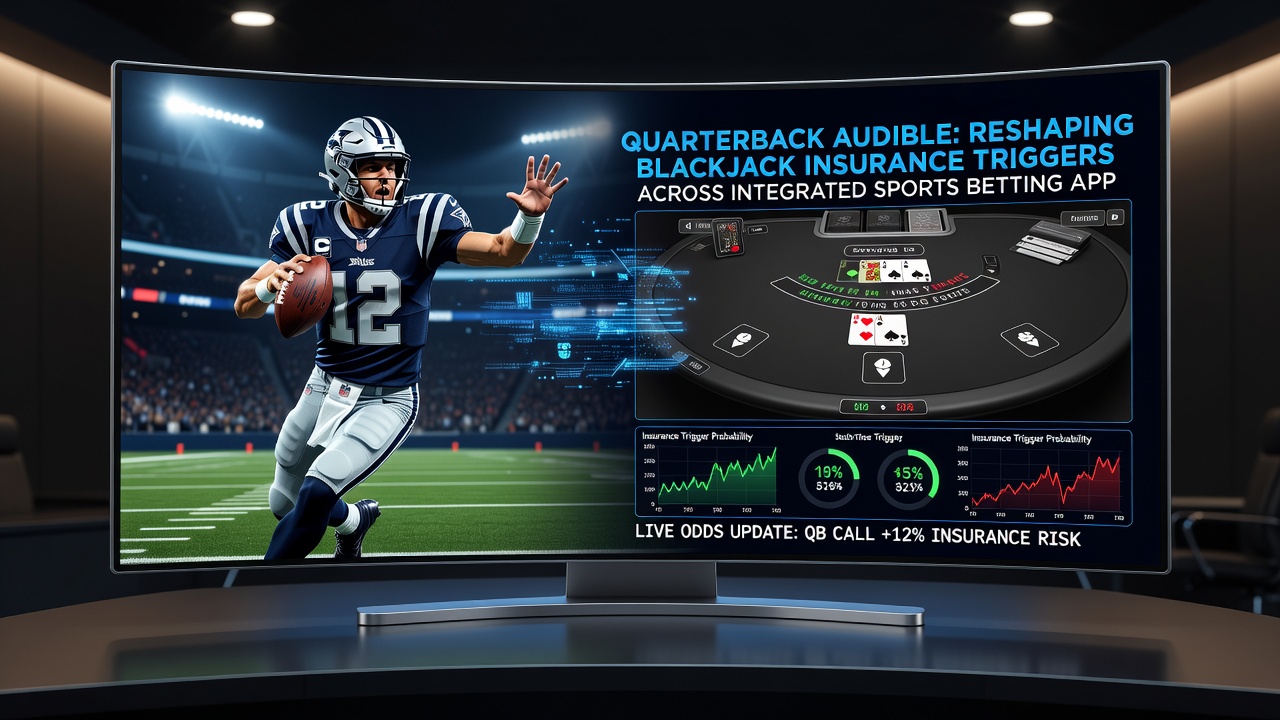
One study released by academic researchers at a major North American university tracked user behavior across three major platforms and found that insurance uptake increased when audible rates exceeded seasonal averages, particularly during prime-time matchups. Reward accumulation accelerates when participants chain insurance bets with accumulator sports wagers, and the systems automatically credit layered incentives once both legs resolve. Operators continue to refine these connections as more granular formation data becomes available through official league feeds.
Regulatory Context Entering September 2026
Regulatory bodies in multiple jurisdictions have begun reviewing how real-time sports data influences casino mechanics within the same application environment, with guidelines expected to clarify disclosure requirements around algorithmic triggers by September 2026. Platforms must maintain separate audit trails for sports-derived adjustments and traditional blackjack random number generation, ensuring that audible inputs do not override core game fairness standards. Industry reports compiled by gaming associations show that operators have invested in enhanced monitoring tools to demonstrate compliance during upcoming review cycles.
Cross-border operators face additional considerations when data flows cross regulatory boundaries, yet unified reward ledgers continue to expand because point systems remain segregated from direct wagering outcomes. Those monitoring the space observe that September 2026 deadlines coincide with planned platform updates that will incorporate next-season audible statistics, further tightening the integration between football play changes and insurance decision points.
Conclusion
Quarterback audible patterns now serve as active inputs that reshape insurance availability and reward scaling inside connected betting applications, supported by expanding data partnerships and evolving regulatory frameworks. Platforms continue to test and deploy these mechanics across additional markets, while oversight entities prepare documentation requirements ahead of the September 2026 implementation windows. The resulting systems link two previously separate betting categories through shared analytics pipelines that update continuously during live events.